Building Futures: How Education Infrastructure Transforms Australian Suburbs
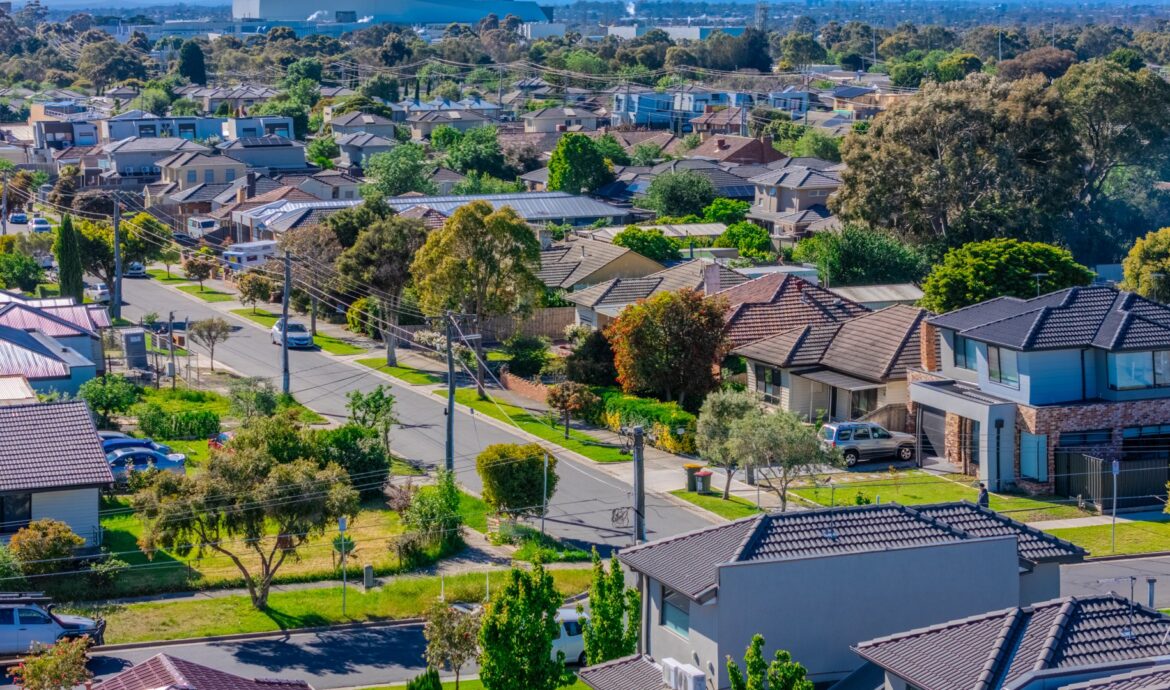
Australia’s suburbs are more than just residential zones—they are ecosystems that thrive on the interplay of housing, transport, commerce, and community facilities. Among these, education infrastructure holds a unique position. Schools, universities, childcare centers, and vocational training facilities not only provide knowledge but also shape the social, economic, and physical landscapes of the suburbs they serve. Understanding this influence is crucial for policymakers, urban planners, and prospective homeowners alike.
Education as the Heart of a Community
Education infrastructure is often the heart of a suburb. Schools and childcare centers act as community hubs where families connect, and social bonds are formed. When a suburb has access to quality education facilities, it tends to attract families seeking stability and opportunities for their children. This influx of families contributes to demographic growth, increasing the demand for housing, retail, and public services.
In many Australian cities, suburbs with reputable schools experience higher property values. Parents are willing to invest in homes within catchment areas of well-regarded public and private schools. This phenomenon creates a cycle where strong educational institutions attract families, which in turn spurs development in housing and local amenities.
Early Childhood Facilities: Laying the Foundation
The role of early childhood education cannot be overstated. Childcare centers and preschools are often the first formal learning environment for young children, shaping early development and social skills. Suburbs that prioritize accessible and high-quality early childhood facilities tend to appeal to young families and working parents, creating a vibrant, family-friendly atmosphere.
The presence of childcare centers also influences workforce participation. Parents, particularly mothers, are more likely to remain in or enter the workforce if reliable childcare is available nearby. This contributes to the economic growth of the suburb and supports the viability of local businesses and services.
Primary and Secondary Schools: Anchors of Stability
Primary and secondary schools are more than just places of learning—they are anchors of stability for a suburb. Families often make long-term residential decisions based on school availability and quality. In areas where schools have strong reputations, suburbs experience sustained population growth and enhanced community cohesion.
Moreover, schools often double as hubs for extracurricular activities and local events, fostering a sense of identity and pride. Sporting fields, libraries, and cultural programs run through schools benefit the wider community and create a sense of belonging that extends beyond the student population.
Higher Education: Catalysts for Innovation and Growth
Universities and vocational institutions play a transformative role in suburban development. In addition to attracting students from across Australia and overseas, higher education facilities bring academic staff, researchers, and support services into the suburb. This influx stimulates demand for housing, retail, and entertainment, often leading to the creation of vibrant, knowledge-based communities.
Suburbs near universities frequently witness innovative urban planning initiatives, including co-living spaces, transport upgrades, and the development of creative precincts. This dynamic environment supports entrepreneurship and the growth of start-ups, contributing to a diversified local economy.
Accessibility and Transport: Bridging Education and Community
The impact of education infrastructure is amplified when coupled with efficient transport links. Suburbs with well-connected schools and tertiary institutions are more attractive to families and students who rely on public transport or require easy commuting options. Bus routes, train lines, and pedestrian-friendly pathways not only improve accessibility but also enhance safety and convenience.
Transport infrastructure and education facilities are interdependent. A well-serviced suburb encourages higher enrollment, while growing student populations often justify upgrades in public transport and roads. This synergy between education and transport planning is essential for sustainable urban development.
Economic and Social Benefits
The presence of education infrastructure has clear economic and social benefits. Economically, schools and universities create jobs—teachers, administrative staff, maintenance personnel, and support services contribute to local employment. Businesses such as bookstores, cafes, and tutoring centers often thrive in suburbs with active student populations.
Socially, education infrastructure fosters inclusivity and community engagement. Programs that encourage local participation, mentorship, and volunteering help strengthen social cohesion. Suburbs with accessible education tend to be safer, with youth engagement initiatives reducing the likelihood of social issues such as crime and disengagement.
Planning for the Future: Challenges and Opportunities
Despite the evident benefits, planning education infrastructure poses challenges. Rapidly growing suburbs can experience strain on existing schools, leading to overcrowding and reduced quality of education. Conversely, suburbs with underutilized facilities may face inefficiencies and wasted investment.
Urban planners must anticipate population growth, changing demographics, and emerging educational needs. This involves strategic placement of new schools, expansion of existing facilities, and integration of technology to support modern learning environments. Collaborative planning between local councils, state governments, and private institutions is essential to ensure sustainable growth and equitable access to education.
Case Studies: Suburbs Transformed by Education
Several Australian suburbs exemplify the transformative power of education infrastructure. For instance, areas surrounding the University of Melbourne and Monash University have seen increased residential development, modern housing projects, and thriving local businesses catering to students and staff. Similarly, suburbs like Glen Waverley in Victoria have attracted families due to high-performing schools, stimulating both housing demand and community engagement.
In Western Australia, suburbs with emerging schools in rapidly developing areas have observed increased property values and a stronger sense of community, demonstrating that education can act as a catalyst for both economic and social growth.
Integrating Education into Suburban Design
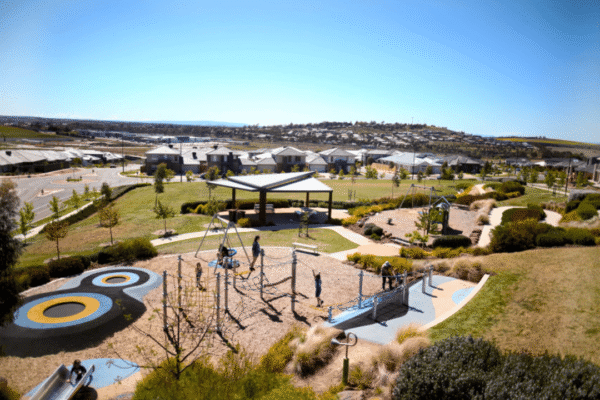
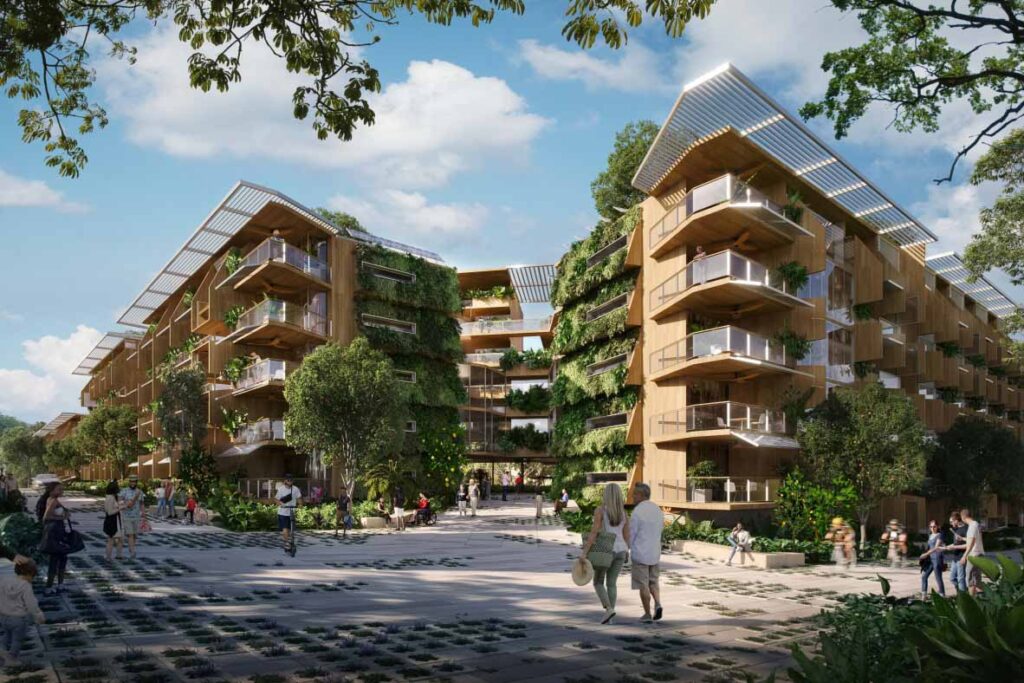
Modern urban design increasingly recognizes education as a key factor in suburb planning. New developments often include integrated schooling options, playgrounds, and recreational facilities, ensuring that residents have access to holistic learning environments. Mixed-use developments, which combine housing, retail, and educational facilities, reflect a growing trend toward self-sustaining communities where education and lifestyle coexist seamlessly.
The rise of digital learning and flexible education models also allows suburbs to remain adaptable. Incorporating technology-ready classrooms, co-working spaces, and community learning centers ensures that suburbs can meet the evolving educational needs of residents while fostering innovation and collaboration.
You may also like